

Is there any sound more frustrating to a pet owner than the constant thump-thump-thump of a dog scratching? Seeing your furry friend in discomfort is never easy, and persistent itching can be a sign of an underlying issue that needs attention.
While an occasional scratch is normal, excessive itching, licking, chewing, or rubbing can lead to skin damage, infections, and a very unhappy pup. The medical term for this itchiness is pruritus, and it’s one of the most common reasons for veterinary visits.
But what’s causing it? Here are 5 of the most common skin issues that could be making your dog itch, along with some tips on how to help.
| Issue | Key Symptoms | Quick Fix / Action |
|---|---|---|
| Fleas & Ticks | Scratching near tail/back, “flea dirt” (black specks), red bumps. | Apply vet-approved preventative meds & deep clean bedding. |
| Allergies (Atopy) | Licking paws, rubbing face, seasonal itching (Spring/Fall). | Wipe paws after walks; use hypoallergenic shampoo. |
| Food Sensitivity | Chronic ear infections, itchy rear end, upset stomach. | Consult vet for an elimination diet (switch protein source). |
| Skin Infection | Foul odor, moist/greasy skin, hair loss, crusty scabs. | Vet Visit Required: Needs antibiotics or medicated wash. |
| Dry Skin | Dandruff (white flakes), mild itching, dry coat. | Use a humidifier and add Omega-3 (Fish Oil) to diet. |
1. Fleas and Parasites: The Usual Suspects
Before you look for more complex causes, always rule out the most obvious one: parasites. Fleas are the number one cause of skin problems in dogs. Even if you don’t see them, a single flea bite can cause a severe allergic reaction in some dogs (Flea Allergy Dermatitis), leading to intense itching for days.
- What to look for: Intense scratching, especially around the tail base, back, and hind legs. You might also see “flea dirt” (tiny black specks that turn red when wet) in their fur. Other parasites like ticks and mites (which cause mange) can also be the culprits.
- How to help: Use a high quality, vet recommended flea and tick preventative year round. If you suspect an infestation, you’ll need to treat your dog, all other pets in the house, and your home environment. For grooming tools to help you check for fleas, check out our Dog Products section.
2. Environmental Allergies (Atopy)
Just like humans, dogs can suffer from allergies to things in their environment like pollen, mold spores, dust mites, and grass. This condition is known as atopy.
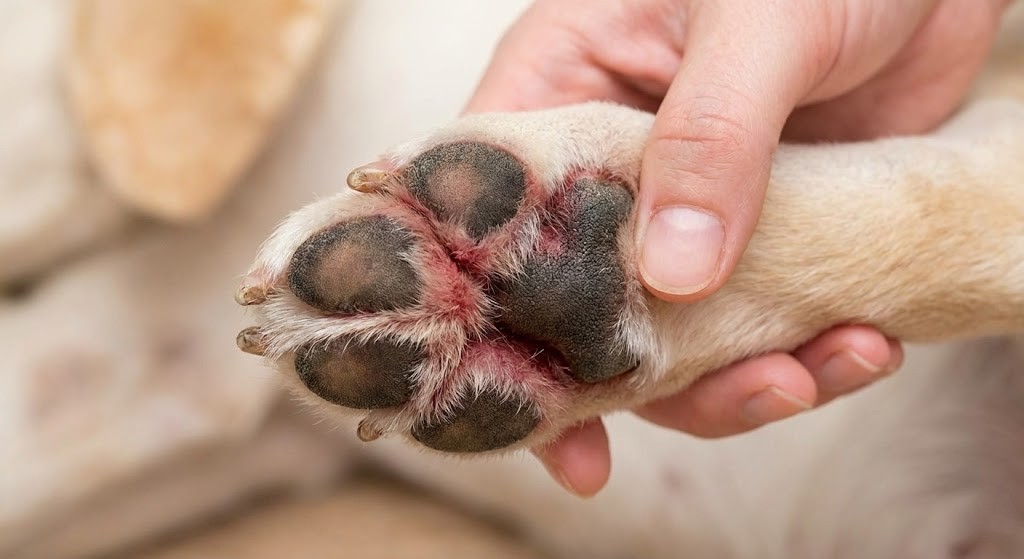
- What to look for: Itching that is often seasonal (worse in spring or fall). Common problem areas include the paws, face, ears, armpits, and belly. You might notice your dog constantly licking their paws or rubbing their face on the carpet.
- How to help: Wiping your dog’s paws and body down after they’ve been outside can help remove allergens. Frequent bathing with a soothing, hypoallergenic shampoo can also provide relief. For severe cases, your veterinarian may recommend allergy testing or prescribe medications to manage the itching.
3. Food Sensitivities
While less common than environmental allergies, some dogs develop sensitivities to certain ingredients in their food, most commonly proteins like chicken, beef, or dairy.
- What to look for: Non seasonal itching that affects the face, paws, ears, and rear end. Dogs with food sensitivities often suffer from chronic ear infections and may also have gastrointestinal issues like gas, vomiting, or diarrhea.
- How to help: Diagnose a food sensitivity typically involves a strict elimination diet conducted under the guidance of a veterinarian. This process helps identify the specific culprit so you can find a diet that agrees with your dog.
4. Skin Infections (Bacteria and Yeast)
Often, a skin infection is not the primary cause of itching but a secondary problem. When a dog scratches, licks, or chews at their skin due to allergies or parasites, they damage the skin’s protective barrier. This allows bacteria and yeast naturally living on the skin to overgrow, leading to an infection that causes even more itching.
- What to look for: Red, inflamed skin that may be moist or greasy. You might notice a foul odor, hair loss, crusty scabs or pimple like bumps.
- How to help: These infections require medical treatment. Your veterinarian may prescribe medicated shampoos, topical creams, or oral antibiotics/antifungals to clear up the infection and soothe the skin.
5. Dry Skin
Just like us, dogs can get dry skin, especially during the winter months when indoor heating zaps moisture from the air.
- What to look for: Flaky skin or dandruff in their fur. The itching is usually mild to moderate, and you won’t see the intense redness or infection present with allergies.
- How to help: Adding a humidifier to your home can help. You can also try supplementing their diet with omega-3 fatty acids (fish oil) to improve skin health. Be sure to use a moisturizing shampoo and conditioner designed for dogs, and avoid over bathing, which can strip natural oils from their skin. For grooming tips, visit our Dog Care Tips category.
When to See a Veterinarian
While some mild itching can be managed at home, it’s crucial to know when to seek professional help. You should schedule an appointment with your veterinarian if:
- The itching is intense, constant, and interfering with your dog’s sleep or daily activities.
- Your dog has caused self trauma, leading to open sores, bleeding, or significant hair loss.
- You notice a foul odor, excessive redness, or discharge from the skin or ears.
- The itching is accompanied by other symptoms like lethargy, appetite loss, vomiting, or diarrhea.
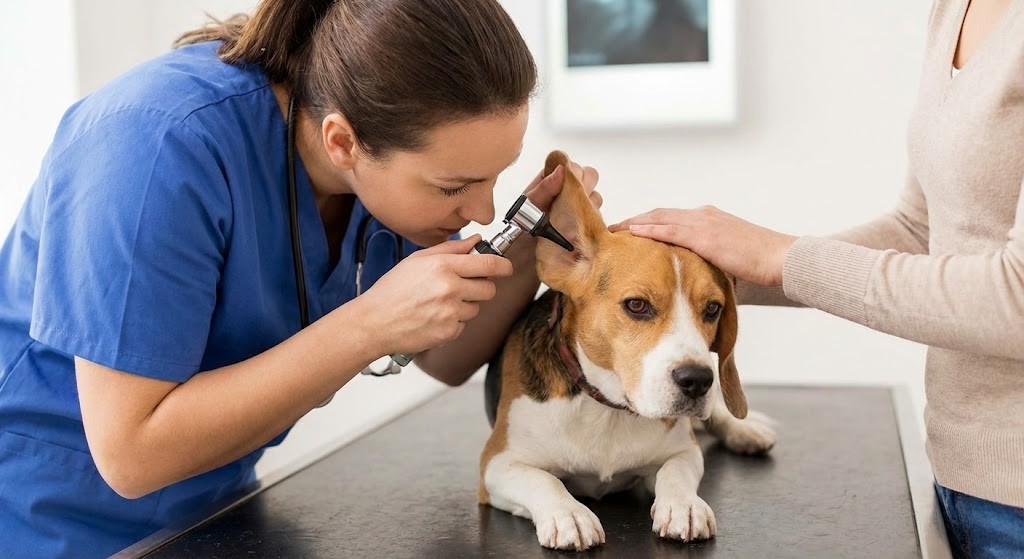
Your vet can perform tests like skin scrapings, cytology, and blood work to pinpoint the exact cause of your dog’s discomfort and develop an effective treatment plan.
Conclusion
Dealing with a itchy dog can be a frustrating experience for both of you. By understanding these common causes, you can take the first steps toward bringing your furry friend some much needed relief. Remember, a little proactive care and a partnership with your veterinarian are the keys to keeping your dog’s skin healthy and itch free.

Zesty Paws Pure Wild Alaskan Salmon Oil (Liquid Pump)
Stop the scratching from the inside out. This liquid supplement is packed with Omega-3s to soothe dry, itchy skin and promote a shiny, healthy coat.
- Relieves Itchiness: Rich in Omega-3 (DHA & EPA) to help calm irritated skin.
- Supports Joint Health: Also aids hip and joint function for active dogs.
- Easy to Use: Just pump directly onto your dog's food—dogs love the taste.
FAQS:
Why is my dog scratching so much?
The most common causes for excessive scratching in dogs are fleas and parasites, environmental allergies (atopy), food sensitivities, secondary skin infections, or dry skin.
How can I tell if my dog has fleas?
Check for intense scratching around the tail base and back. Look closely at the skin for 'flea dirt' (tiny black specks that turn red when wet). Even if you don't see live fleas, a single bite can cause itching.
What can I give my dog for dry itchy skin?
For dry skin, try using a humidifier in your home and adding Omega-3 fatty acid supplements (fish oil) to your dog's diet. Always use a moisturizing shampoo designed for dogs.
When should I take my itchy dog to the vet?
See a vet if the itching disturbs your dog's sleep, causes hair loss or open sores, is accompanied by a bad smell, or if your dog shows other symptoms like lethargy or appetite loss.

Hi! I’m Muhammad Talha, the paw-sitive mind behind PoochHive.I’ve been a lifelong dog lover and pet enthusiast, dedicated to helping dog owners give their furry friends a happier, healthier life.On PoochHive, I share trusted tips, training guides, health advice, and product reviews — all based on research, experience, and a whole lot of love for dogs.